
How did the proliferation of affordable desktop computers, digital design, and drafting software in the 1980s and ’90s change architecture? When did architectural drafters become “CAD monkeys”?
A new exhibition curated by University of Kentucky College of Design professor, AN contributor, and designer Galo Cañizares poses these questions, and more, at CASA vertigo in Eindhoven, Netherlands.
Managers and Monkeys opened inside the TU Eindhoven gallery on January 26. It features ephemera ubiquitous at architecture offices around the world we don’t really think twice about—CAD books, digital drafting tables, plotters.
Drawings and wall text at Managers and Monkeys do the leg work in walking visitors through transformations in technology and labor the past four decades. Exhibition design was by office ca, the office Cañizares founded with Stephanie Sang Delgado.
René Erven, Arghavan Khaefi, and Sergio De Sousa Lopes Figueiredo were co-curators. Graphic design was by Lukas Großmann.
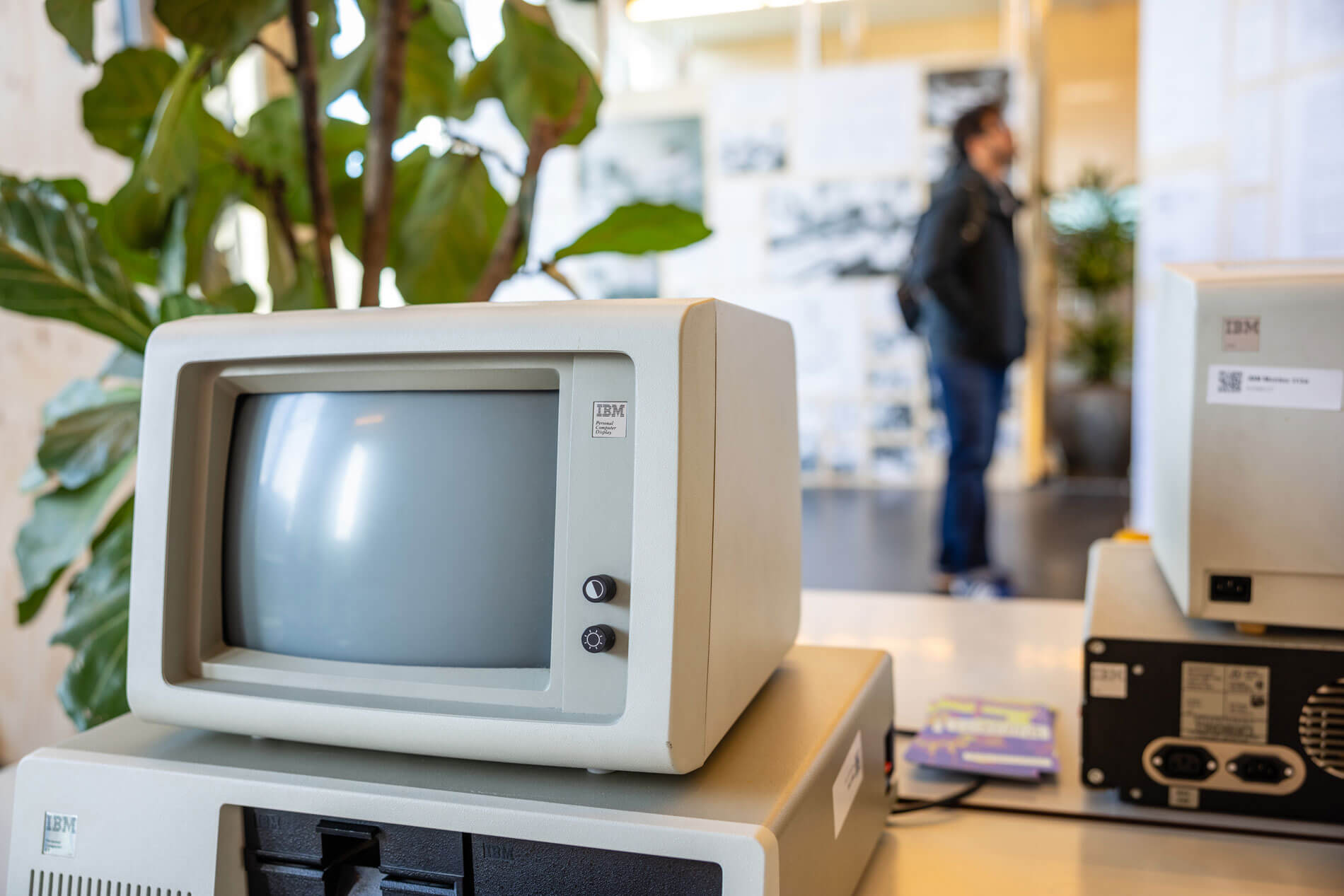
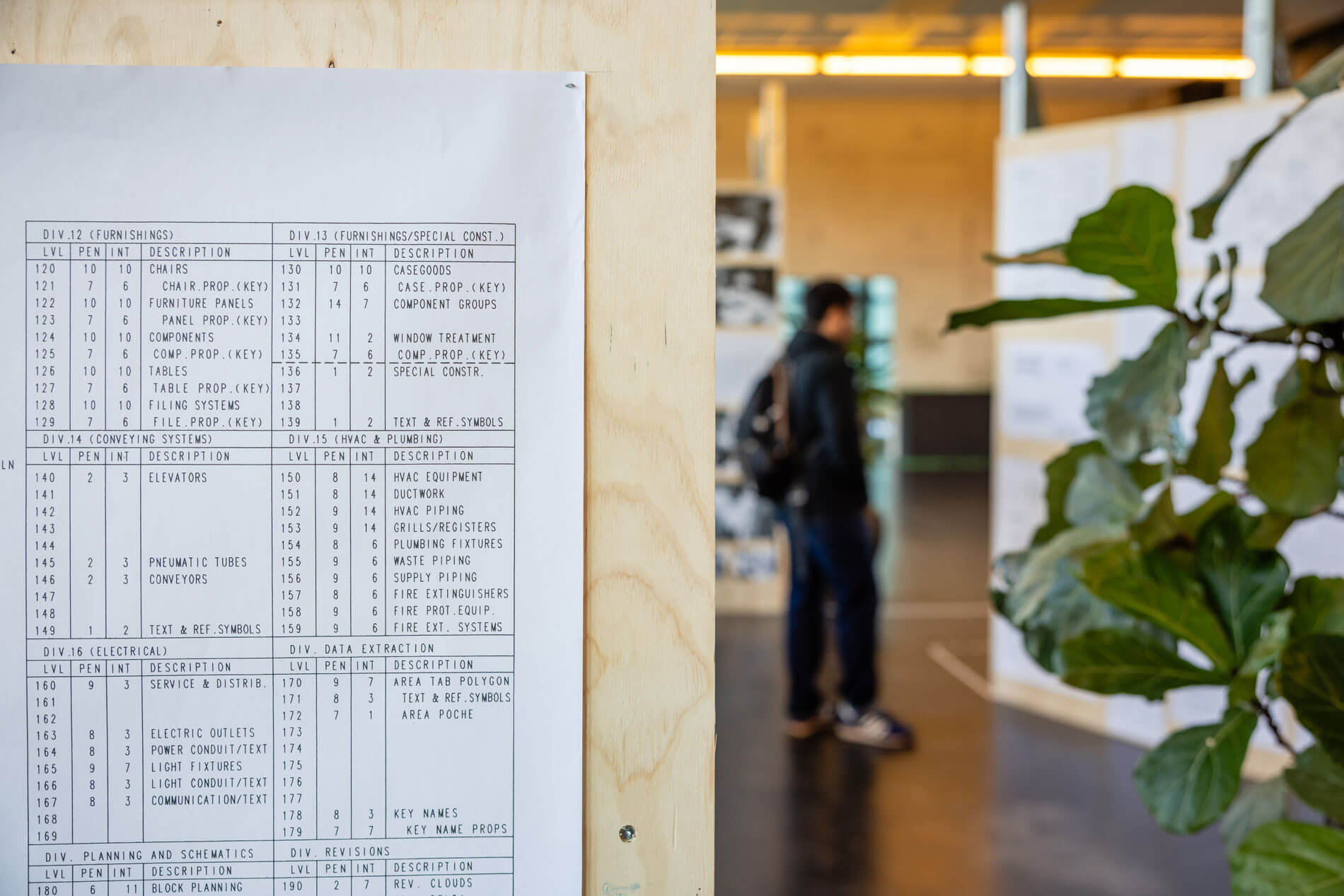
The immersive exhibition is centered around five themes: Computing and Knowing, Drawing and Building, Designing, Printing and Plotting, and Marketing.
Labor is a central tenet of the show, as the title suggests. A curatorial statement noted that “CAD managers and CAD monkeys were instrumental to the computerization of architectural labor in general, setting the rules, best practices, and traditions for working with these tools, many of which are still in place today.”
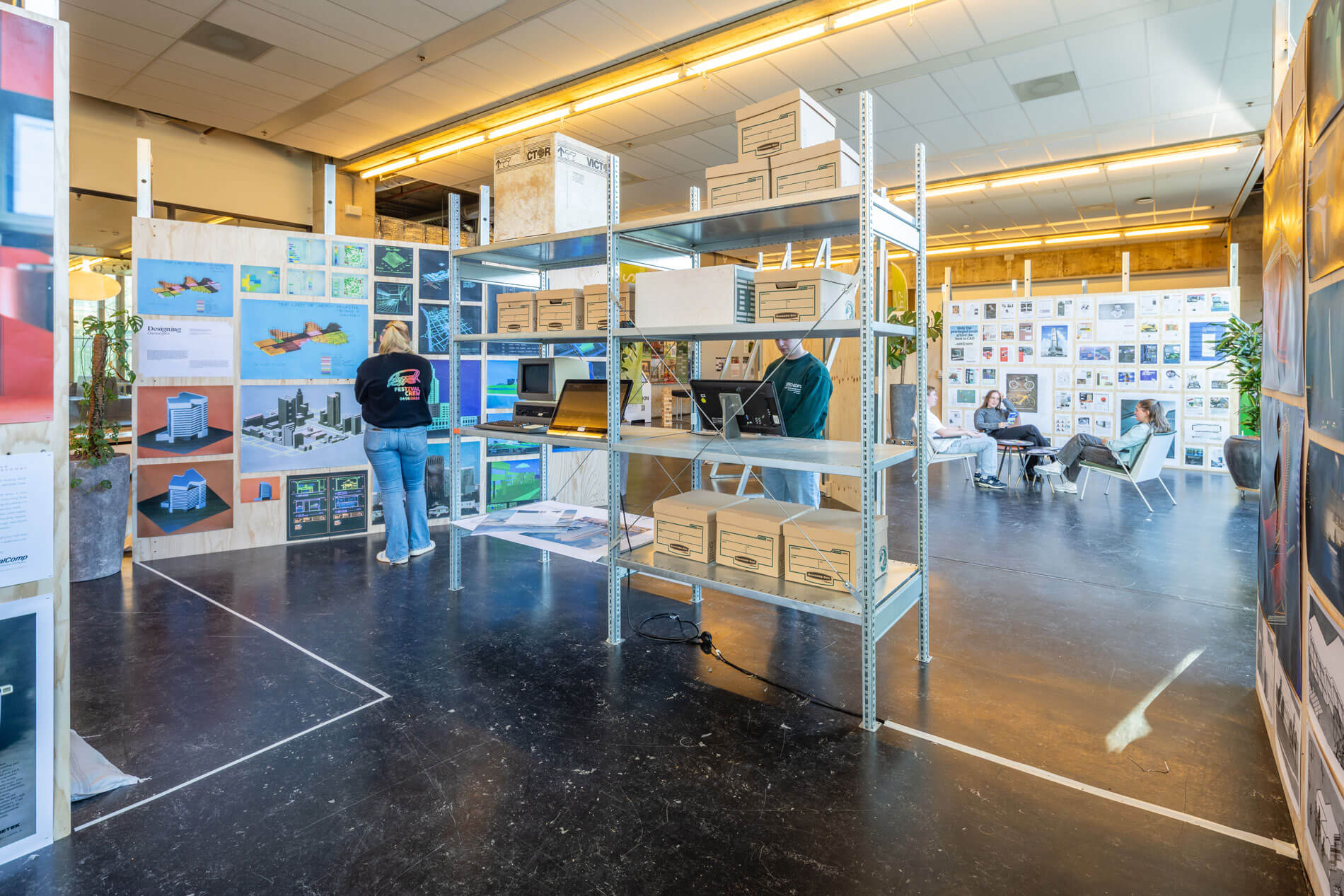
“In general, the show attempts to tell an alternate story of digital design—one that focuses on the day-to-day impact of CAD and it’s related technologies on what we typically refer to as ‘corporate’ practice,” Canizares told AN. “We present overlooked transformations such as the shift to plotting drawings versus other reprographic methods or the standardization of drawing components that made detail drawing more efficient.”
“The argument is that these transformations are as significant—perhaps more?—as the avant-garde experiments with software happening around the same time,” he continued.
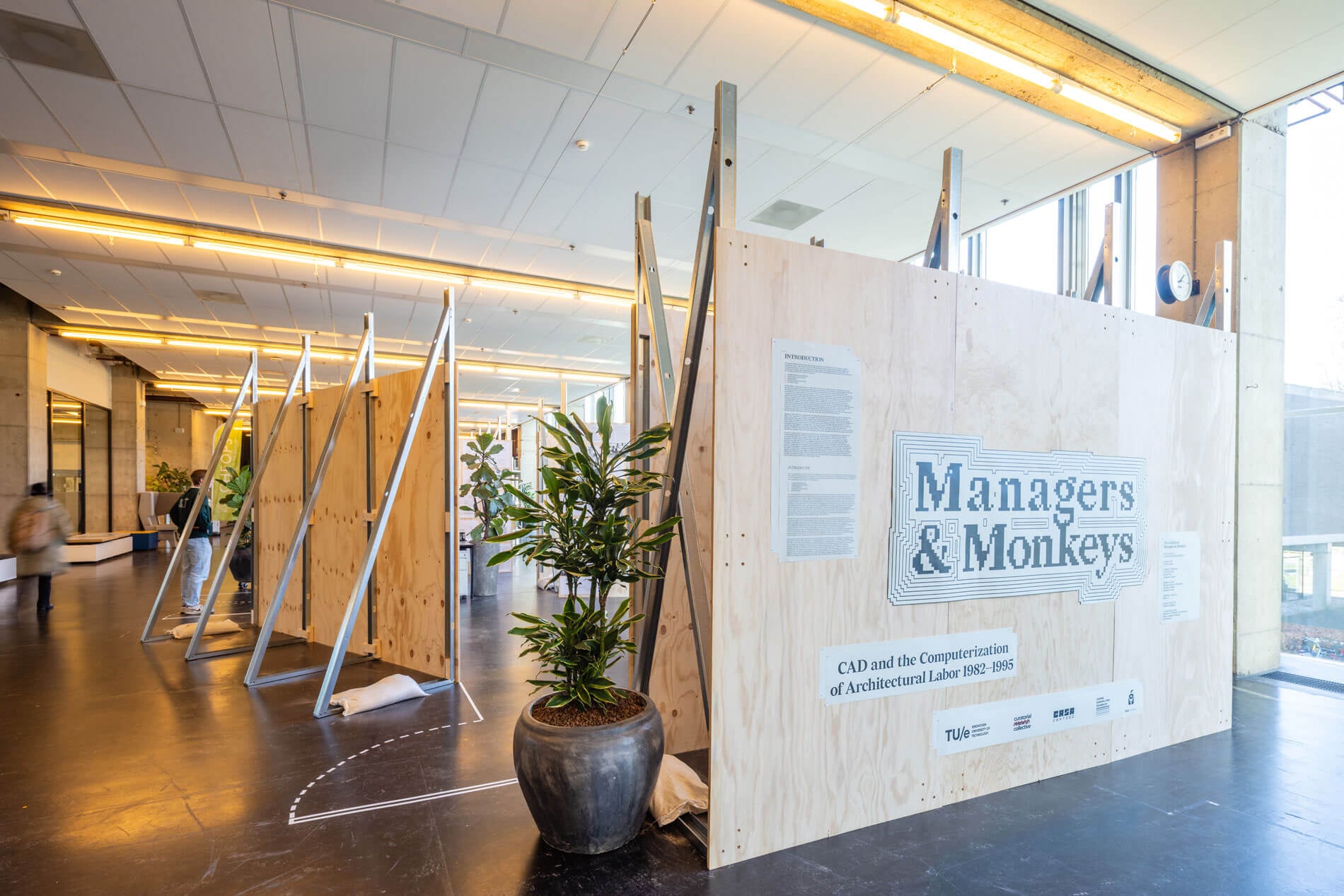
The exhibition is open through March 6.
→ Continue reading at The Architect's Newspaper

