
On January 22, the Facades+ conference series returns to San Francisco with an exciting program developed in collaboration with EHDD. The event will take place at the Holiday Inn Golden Gateway, where attendees are also encouraged to explore the Methods + Materials gallery featuring 33 exhibiting building product companies.
Click here to find more information and register.
Elevating Facade Design Through Early-Phase Analysis
In the first session of the day, speakers from EHDD will present the firm’s holistic approach to reducing carbon emissions while maintaining elegant and efficient facades. The discussion will outline how EHDD’s design process integrates internal precedents, research and analysis, and iterative lifecycle carbon assessments to support informed decision-making in the earliest phases of design, when the greatest impact can be made. Using C.Scale, an early-phase life cycle assessment tool incubated in-house, EHDD evaluates and balances operational and embodied carbon emissions from the outset of every project.
Shading 1450 Owens: A Daylight-Responsive Facade for Mission Bay
In the next session, IwamotoScott cofounder Craig Scott and DGA senior project architect Peter Albertson will share insight into the design and technical execution of 1450 Owens. Completing the last commercial parcel in Mission Bay, the project features a facade of building-wide balconies and a gradient rhythm of shading fins that create a textured, dynamic expression. Powder-coated metal elements use mica tones that shift with daylight, while a locally fabricated precast concrete portal marks the primary entrance from the landscaped plaza.
Avia Labs: Pushing Performance at the Edge of Mobility
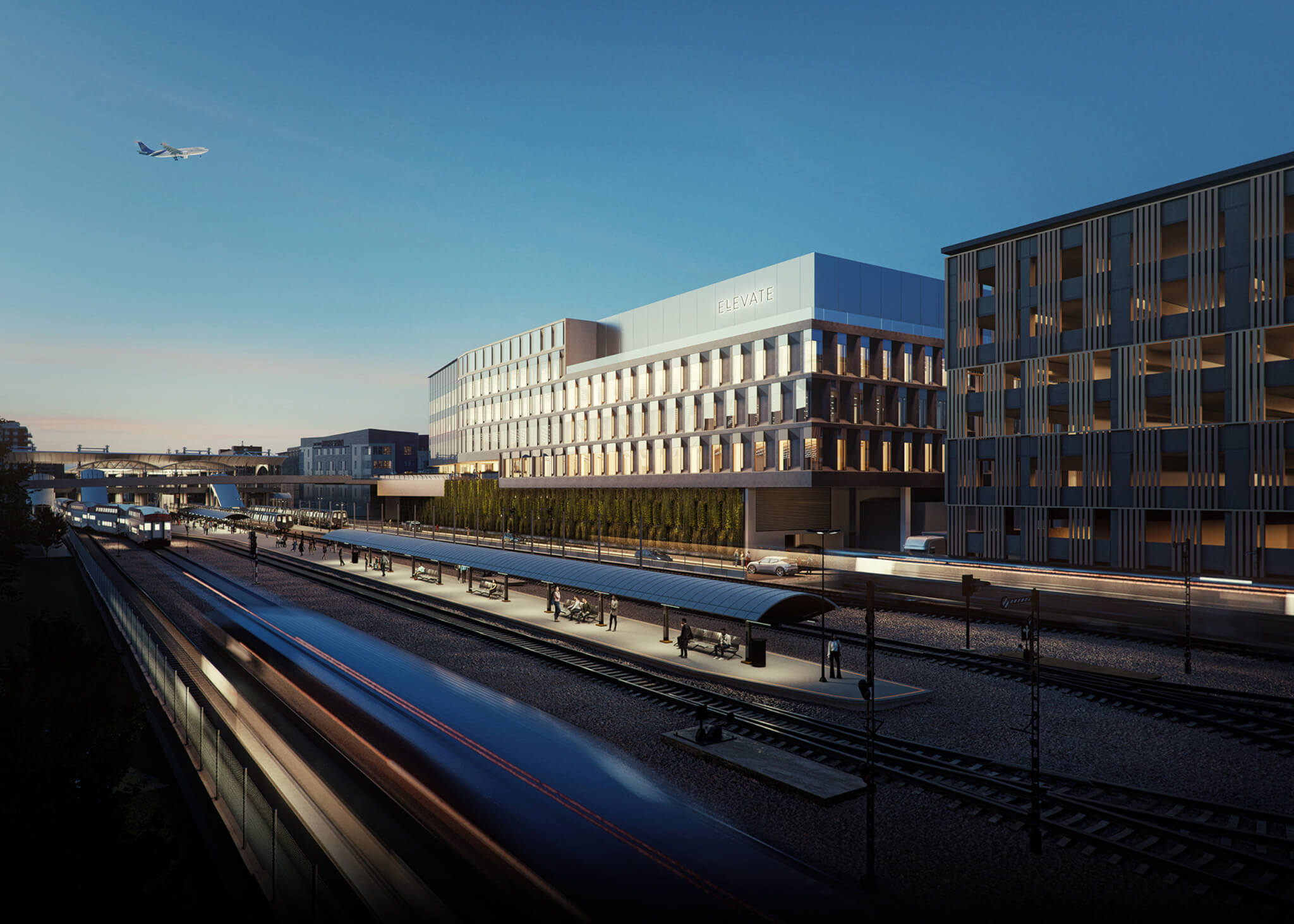
Next, leaders from Flad Architects, Heintges, and Longfellow Real Estate Partners will discuss a life science building located at the nexus of three primary modes of transit in Millbrae, California: planes, trains, and automobiles. Presenting a unique set of challenges and constraints, this six-story, transit-oriented development balances federal jurisdictional requirements, all-electric reach code mandates, specialized life science program needs, and sound and vibration impacts from adjacent transit corridors. This 260,000-gross-square-foot laboratory and office building features a first-floor high-bay lobby, a landscaped plaza, an elevated terrace, an amenity center, and an integrated above- and below-grade parking structure enclosed by living plant walls.
Carbon Clarity: Closing the Gap Between Low-Carbon Design Intent and Built Reality
Next, in a lively roundtable discussion, speakers from Foster + Partners, Skanska, UC Berkeley, and Turner Construction Company will examine the gaps between digital tools, design intent, and the built reality of low-carbon projects. The session will highlight where friction points most often arise—from material availability, supply-chain constraints, and cost implications to the challenge of translating modeled performance into built outcomes. Speakers will also address how predictive climate models, evolving codes, and uncertainty around future climate impacts shape today’s design assumptions.
Power of Positive Iteration: Designing Facades in Response to People and Place
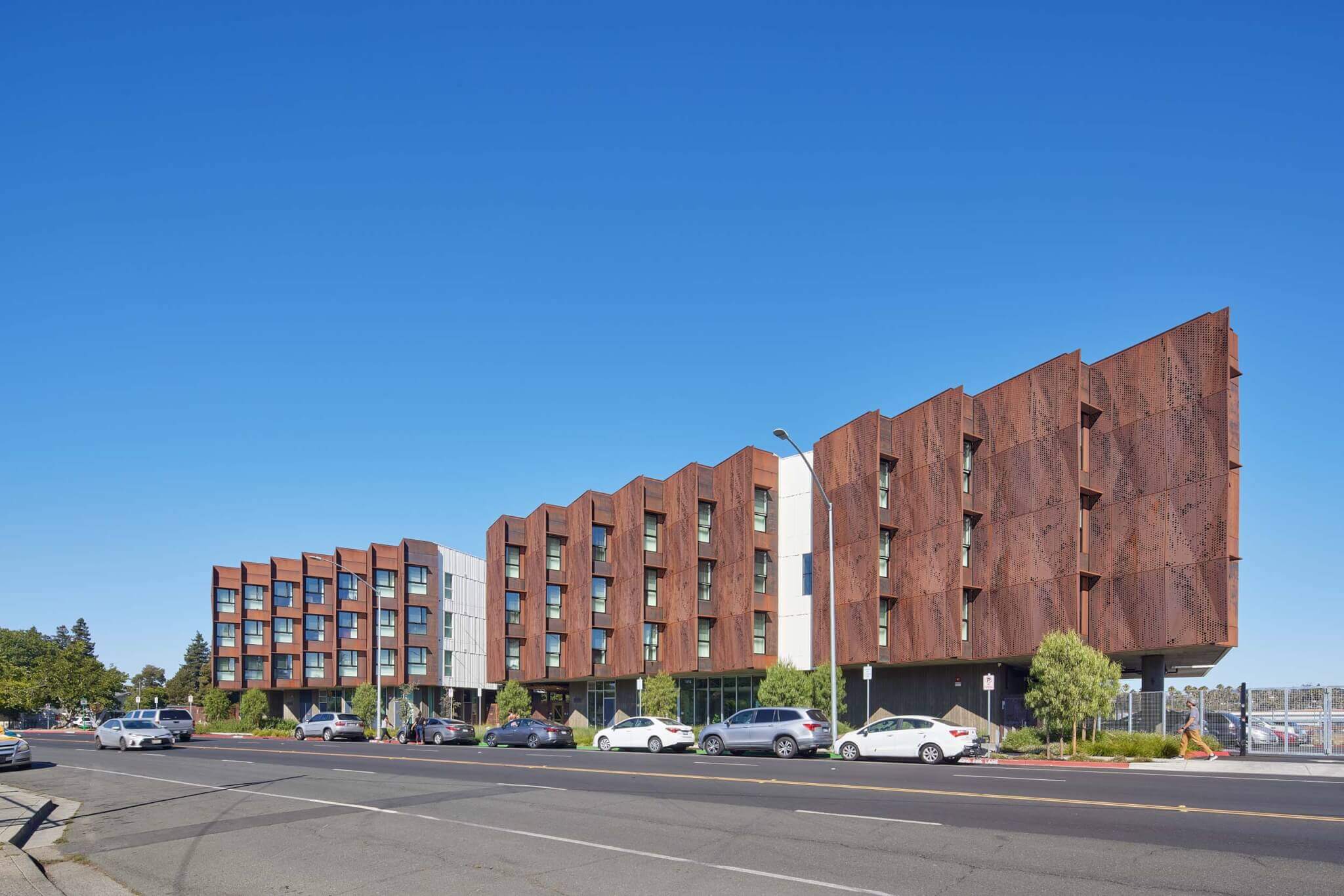
In the following session, David Baker Architects principal Pedram Farashbandi will share how facade systems can advance the design, performance, and community impact of supportive housing. The discussion will explore approaches to creating dynamic envelopes that balance durability, cost, and constructibility with goals for daylight, identity, and resident well-being. Drawing on recent projects including Isle House and Blue Oak Landing, Farashbandi will highlight how design teams navigate tight budgets, complex sites, and evolving sustainability standards while delivering buildings that are welcoming, resilient, and responsive to their neighborhoods.
Berkeley Commons: Complexity and Collaboration in Technical Facade Design
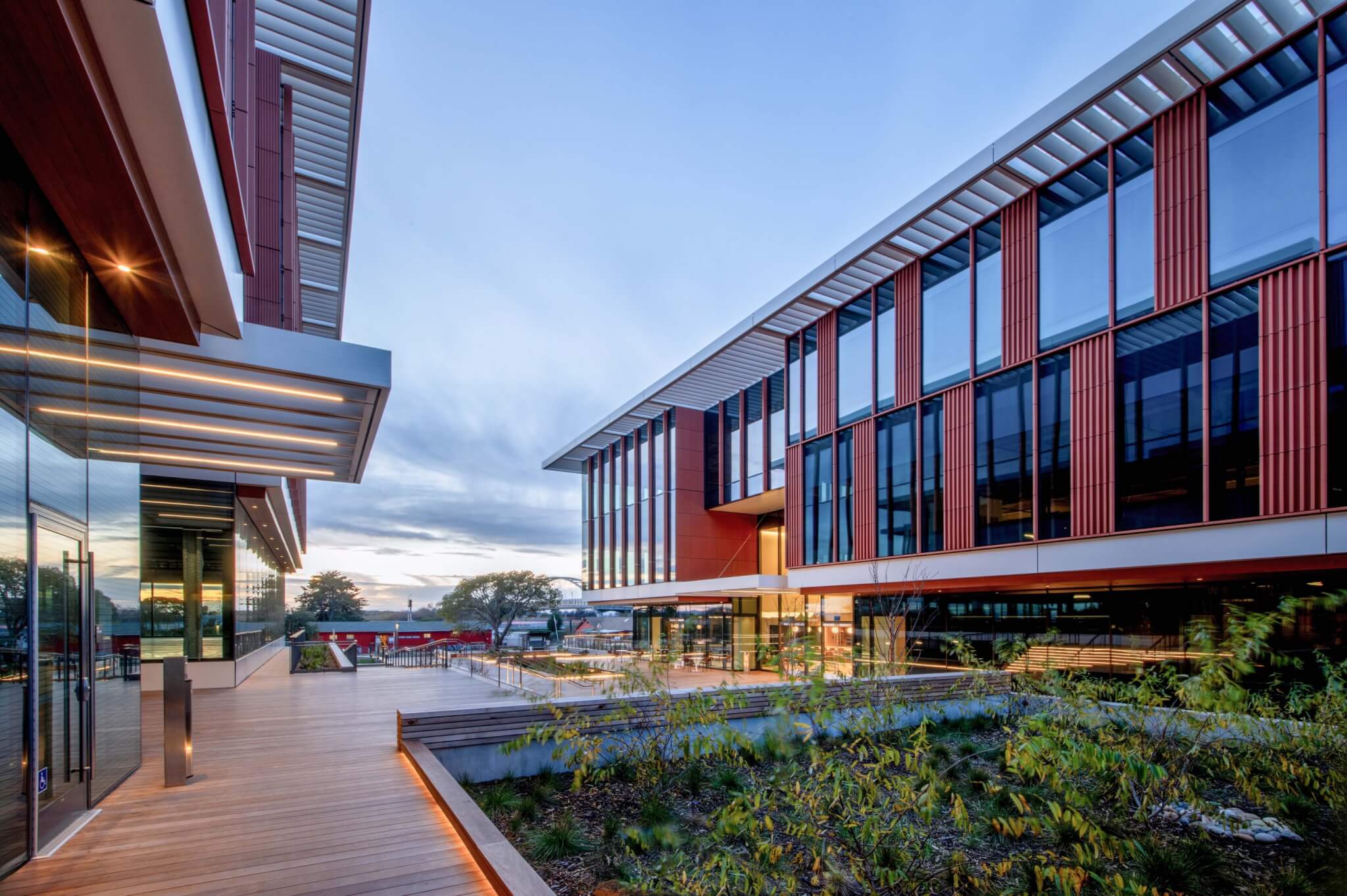
In the last session of the day, leaders from Gensler, WJE, and Bagatelos Architectural Glass Systems will share the technical, material, and collaborative strategies behind Berkeley Commons. Panelists will discuss how complex program requirements, performance targets, site and seismic considerations, and evolving sustainability standards shaped the project’s facade systems—from early design coordination and consultant workflows to mockups, testing, and construction. The panel will highlight how the team navigated constraints, leveraged digital tools, and maintained design intent as the project evolved from concept to delivery.
→ Continue reading at The Architect's Newspaper

