
AN’s awards programs are not only a chance to commend overlooked and excellent work from designers and architects but also a way to get a temperature check on the state of the industry and where it’s headed. The following observations highlight the trends that emerged from across this year’s firm, product, and project award submissions to see the future direction of the design community.
A Rise in Reuse
Adaptive reuse entries rose in number by 30 percent this year compared with 2024. This increase was reflected across the board, in commercial, education, hospitality, and residential project submissions. The drive to extend an existing building’s life can have multiple benefits: It can be more cost effective than new construction, maintain existing cultural heritage, and reduce a project’s embodied and operational carbon. This year we’re excited to see a gamut of adaptive reuse projects like Victory Wellness Center, Memphis Merit Academy, and 154 Scott recognized by our jury.
Residential Redux
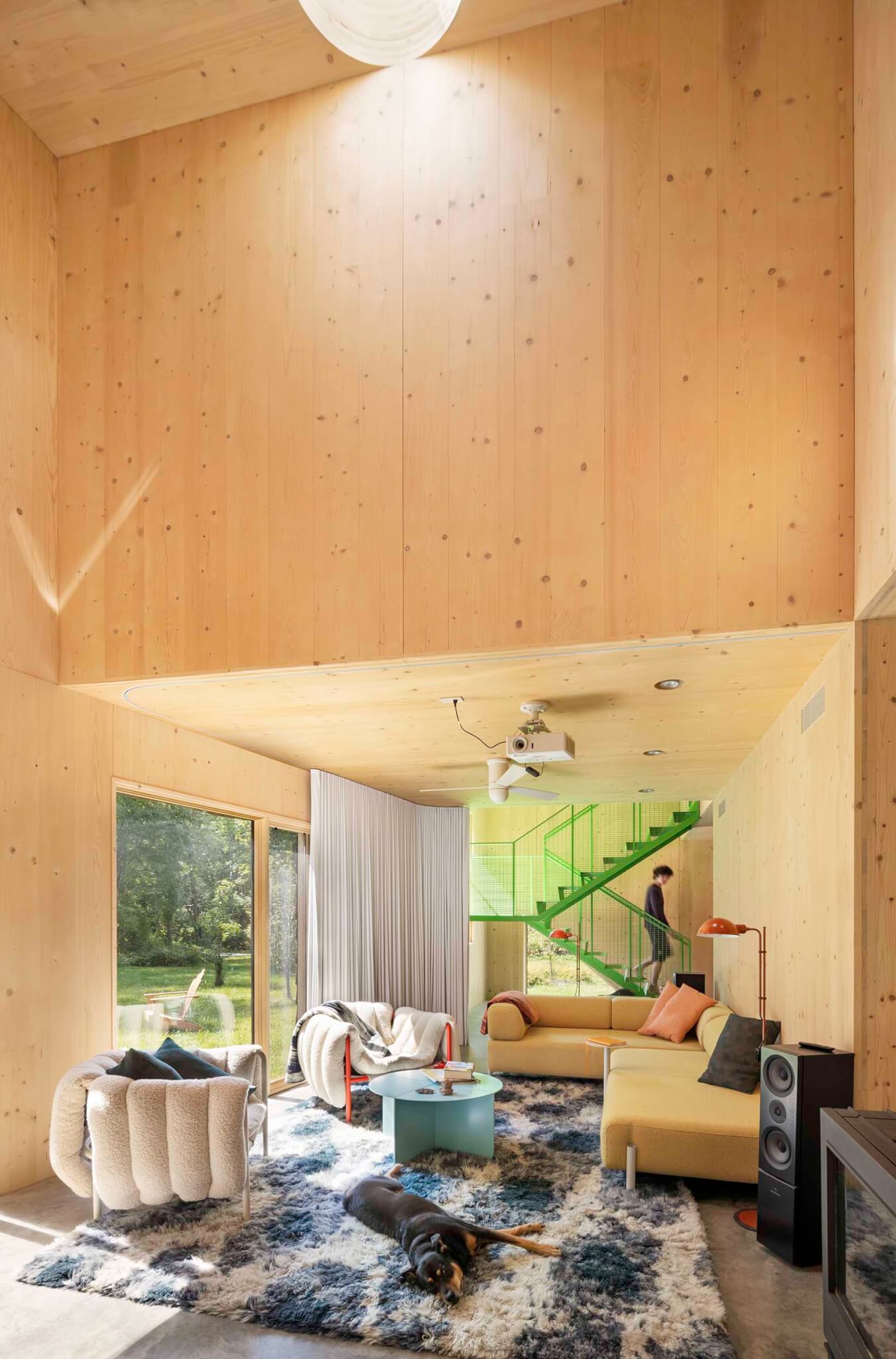
Even with economic tremors due to tariffs and related instability, architects continue to deliver impressive single-family and multifamily projects. Our single-family category had the highest number of submissions, which makes the recognition for Vineyard Residence and CLT House that much sweeter. Housing and homes remain key domains where architectural expertise is required.
People Thrive When Good Design Arrives
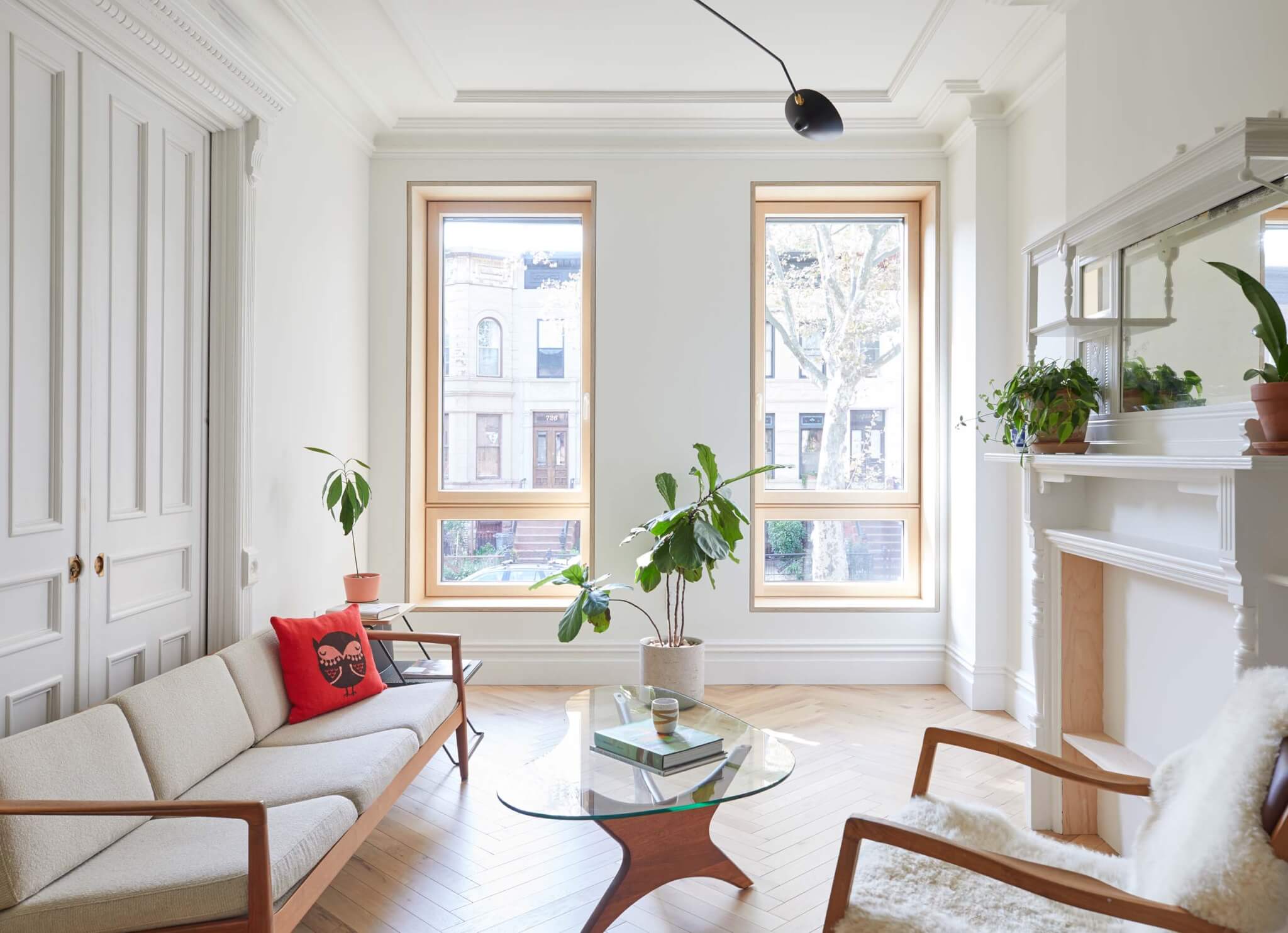
This year’s Best of Practice Award winners exemplify an emphasis on work/life balance. From firms implementing strict workweek protocols to more offices prioritizing hybrid work models to make time for extracurricular activities, recognizing and appreciating the ways a balanced life can help sustain and better cultivate work and creativity were important among this year’s winners.
Touching Grass
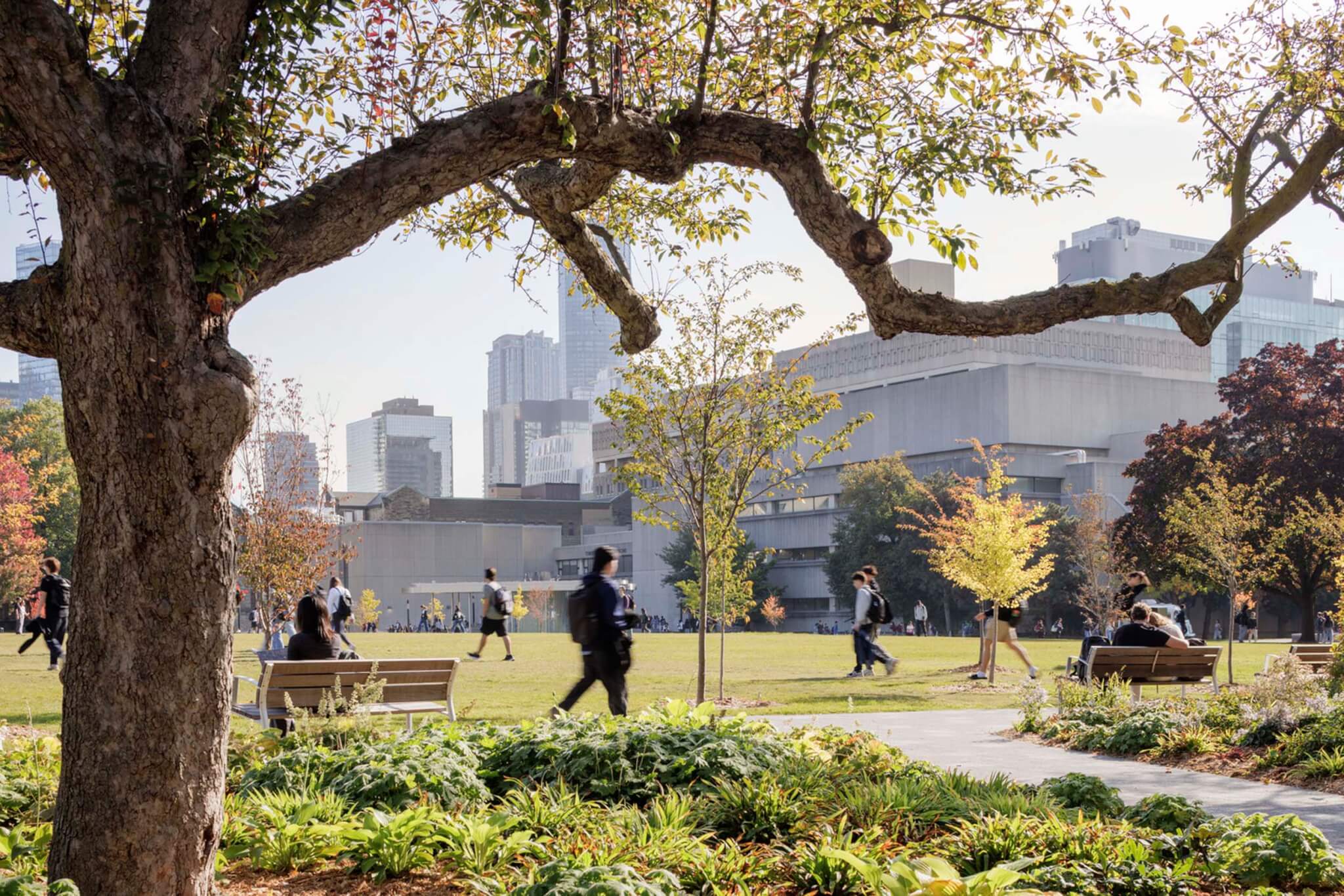
Whether by making time to incorporate community discussion in projects, as the Landscape of Landmark Quality: University of Toronto and Roadmap for Paseo Park does, or building time into a practice for team excursions to visit museums and buildings, winning firms and projects demonstrated an appetite for finding inspiration and research IRL. The work of meeting community members and business owners where they are—and visiting design in its context—resulted in more impactful, creative work.
Play as Power
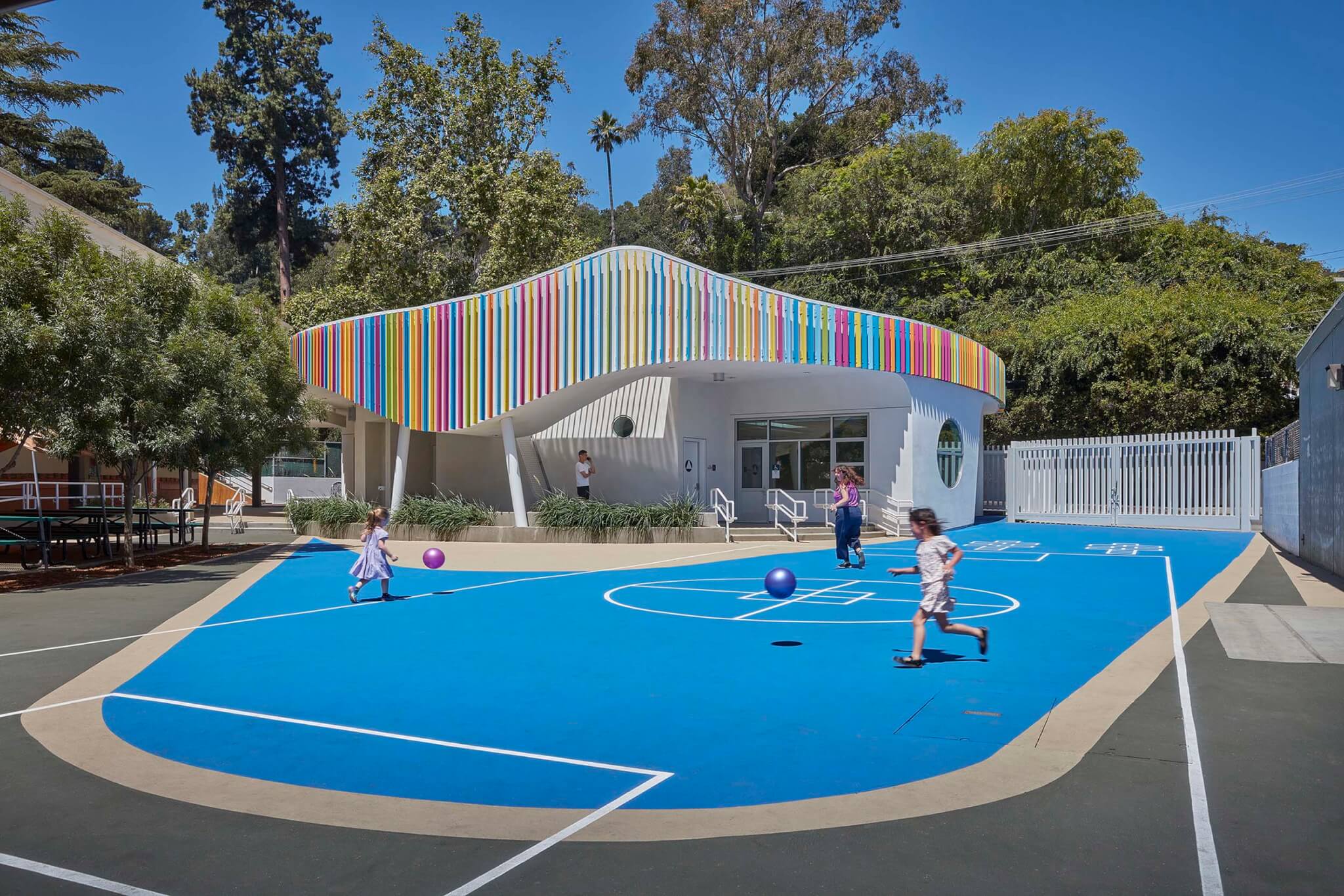
A sense of play unites some of the winners across our Best of Design and Best of Practice programs. For firms, this looks like making time for office fun, as well as researching the benefits of incorporating playfulness into design, like Mikyoung Kim Design, RA-DA, and John Friedman Alice Kimm Architects did. For projects, this looks like unexpected whimsy, as V & Co, Populus, and CLT House demonstrate.

Telling a Material Story
The question of material flow—what it is, where it comes from, and where it will go—became a through line in both winning projects and products this year thanks to the urgency of the climate crisis. Products that stood out to the jury sourced materials in new and interesting ways: Winning entries reused rail fences to create flooring, prioritized renewable materials and bio-based materials, and went fully recyclable. Projects followed suit, with many using mass timber—or, in the case of Mega Mat, recycling 500 plastic mats that became a temporary public art installation.
Restraint Brings Results
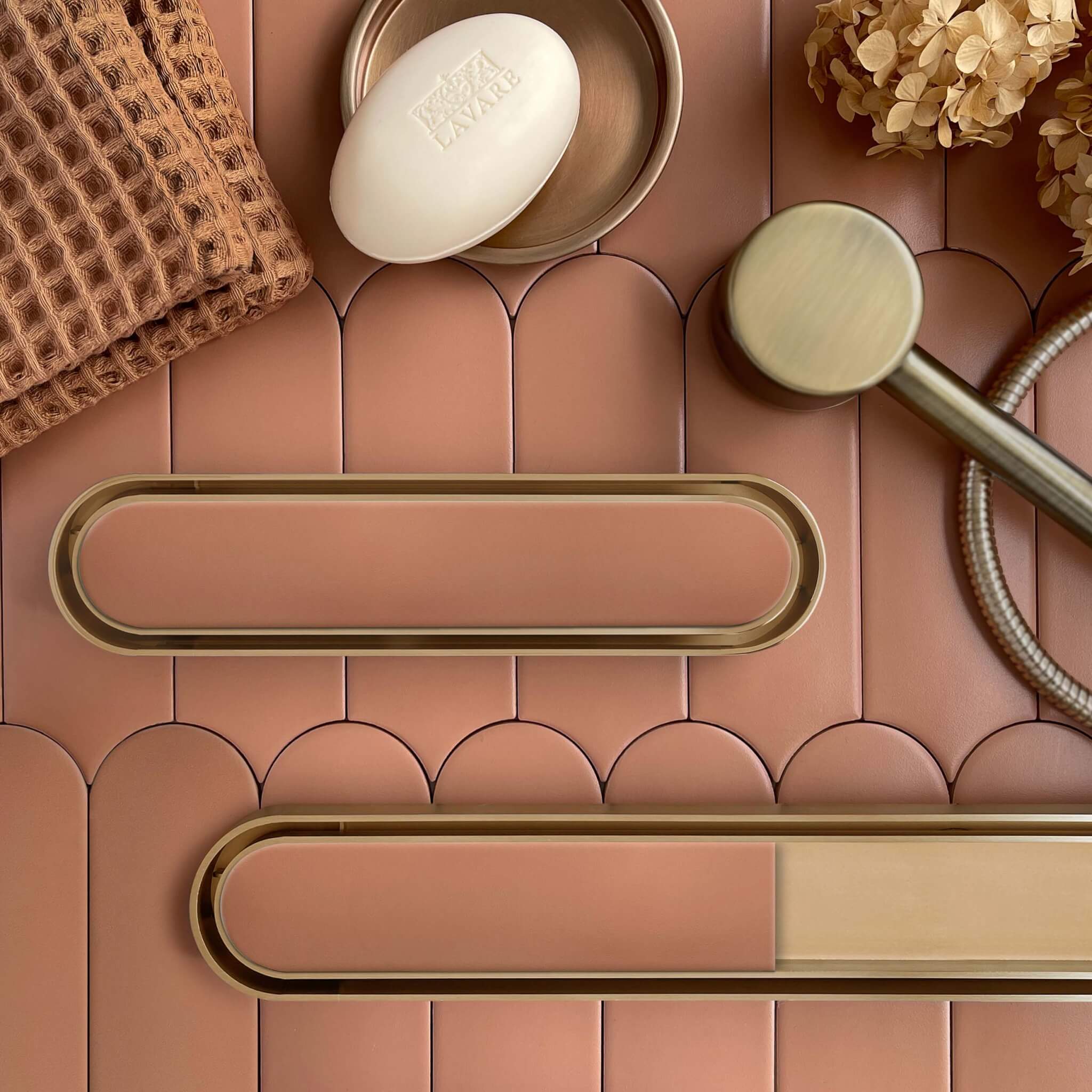
Another design quality that was obvious across our competitions: restraint. The simplicity of Turf’s acoustics, the refined concealment of Infinity Drain, and the minimalism of John Pawson’s designs for Herman Miller revolve around quieter aesthetics. Similarly, projects like Camera Lucida and Studio Barn won design awards thanks to their sense of lightness.
Support Emerging Voices!
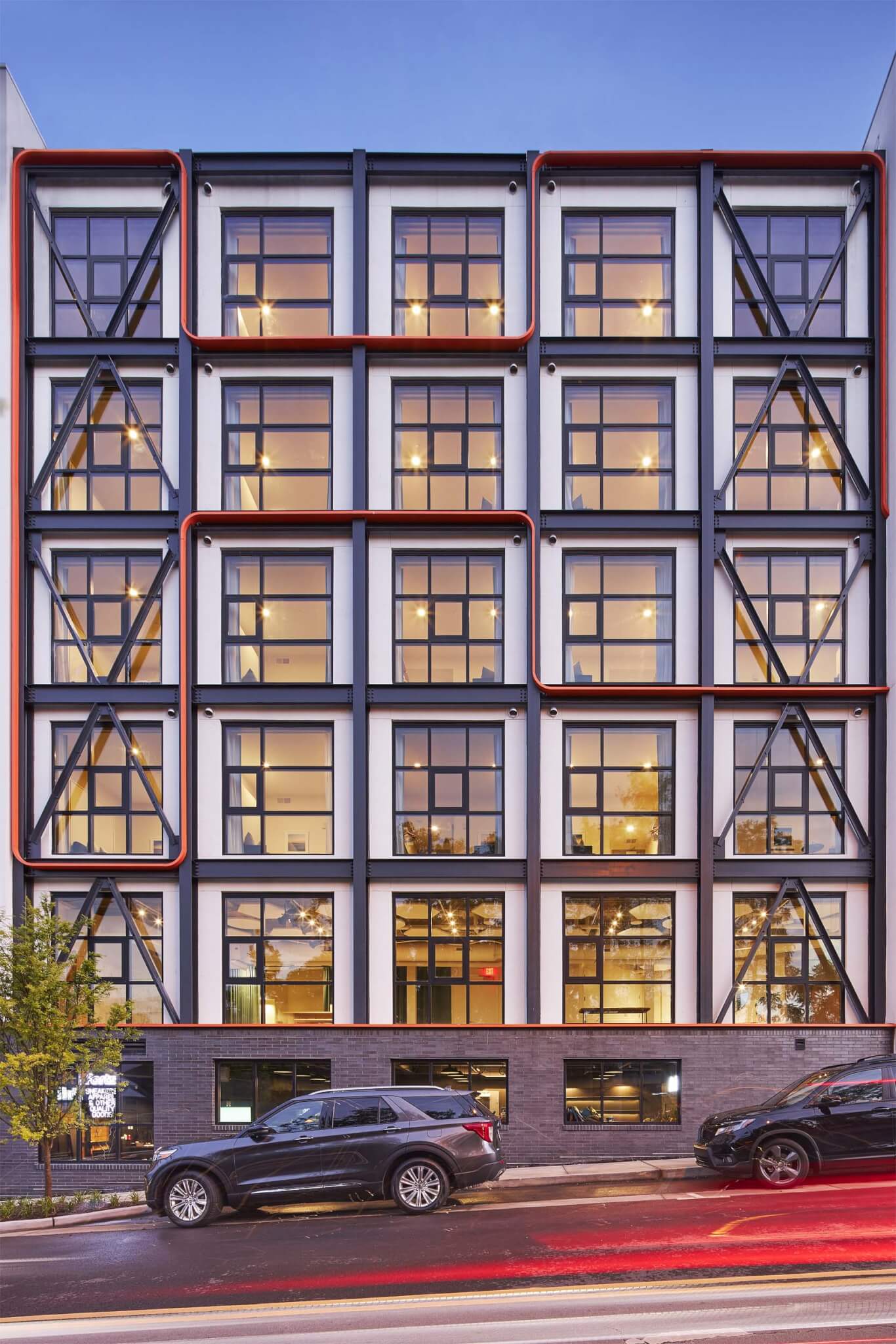
This year, the number of emerging firms that participated in Best of Design increased, alongside an emphasis by Best of Practice on implementing support structures for younger designers. Firms like HASTINGS Architecture, EOA Architects, AAmp, RA-DA, and Pure + FreeForm mentor and support younger staff or outside designers to guide and empower the next generation and help make the practice more diverse.
→ Continue reading at The Architect's Newspaper

