
Camila, a 16-year-old high school student in Los Angeles, holds her phone out, screen facing up, playing a grainy video of Deftones performing on a late-night talk show in 1999. The clip has the jumpy, staticky, lo-fi quality of VHS tapes from that era. “This popped up on TikTok,” she says. “It looks old time-y. It made me feel like I should have been born in that time.”
Next to Camila, her friend Miley, also 16, types “Deftones” into TikTok on her own phone and flicks upward through the videos that load. One shows a young woman walking through nature, headphones on, singing along to a Deftones song. “Cool and sexy is the vibe they give off on TikTok,” Miley says.
Paola, their other friend, says she was introduced to the band by someone in middle school—“Before TikTok.” She remembers hearing longtime fans bristle at the band’s rediscovery. “[They] didn’t like people discovering them on TikTok because they said, ‘This is from our time.’”
If the three-decade-old group’s popularity in 2025 is any indication, Deftones are not bound to a particular era. The band’s critically and commercially acclaimed tenth album, Private Music, topped rock charts globally and entered the Top 5 of the Billboard 200. It’s also nominated for best rock album at the Grammys—the band’s fourth nomination overall, including a 2001 win for Best Metal Performance for “Elite.”
According to The New York Times’ August 2025 feature on the band, Deftones’ resurgence is only a few years old, bolstered in part by renewed interest in nu-metal. Early 2000s songs like “Cherry Waves,” “Hole in the Earth,” and “Change (In the House of Flies)” have become social media favorites, with the latter surpassing half a billion plays on Spotify. The newspaper also reported that “last year, 50,000 tickets to a Deftones and System of a Down co-headlining show in San Francisco’s Golden Gate Park sold out in 90 minutes.”
The group’s current elevated status is the culmination of 30 years of community building—albeit unintentionally. There are as many different entry points to Deftones as there are fans. Morgan, 32 and queer, said she first heard “Change (In the House of Flies)” during the sex scene in Queen of the Damned, which she watched in 2009, seven years after the movie’s release. She recalls, “I thought, ‘This is so cool. This is so sexy.’ The Deftones’ sound became associated with being cool and young forever.”
Bryan, 17,—neurodivergent and a burgeoning drummer—heard “Be Quiet and Drive (Far Away)” in the car. “It had a very energetic feeling, like a movie almost,” he says. “The way Chino Moreno’s voice sounded, beginning slow and quiet and then loud and energetic.”
Since then, Bryan has ended up in a Deftones wormhole. His favorite album is Saturday Night Wrist, and from Private Music, he particularly likes “Infinite Source” for its “trippy feeling, like the trippy background on That ’70s Show.”
On NPR’s “All Things Considered” this past August, Moreno said, “…these songs were written before they [new fans] were born, and there’s something in what they’re hearing that they’re connecting with.”
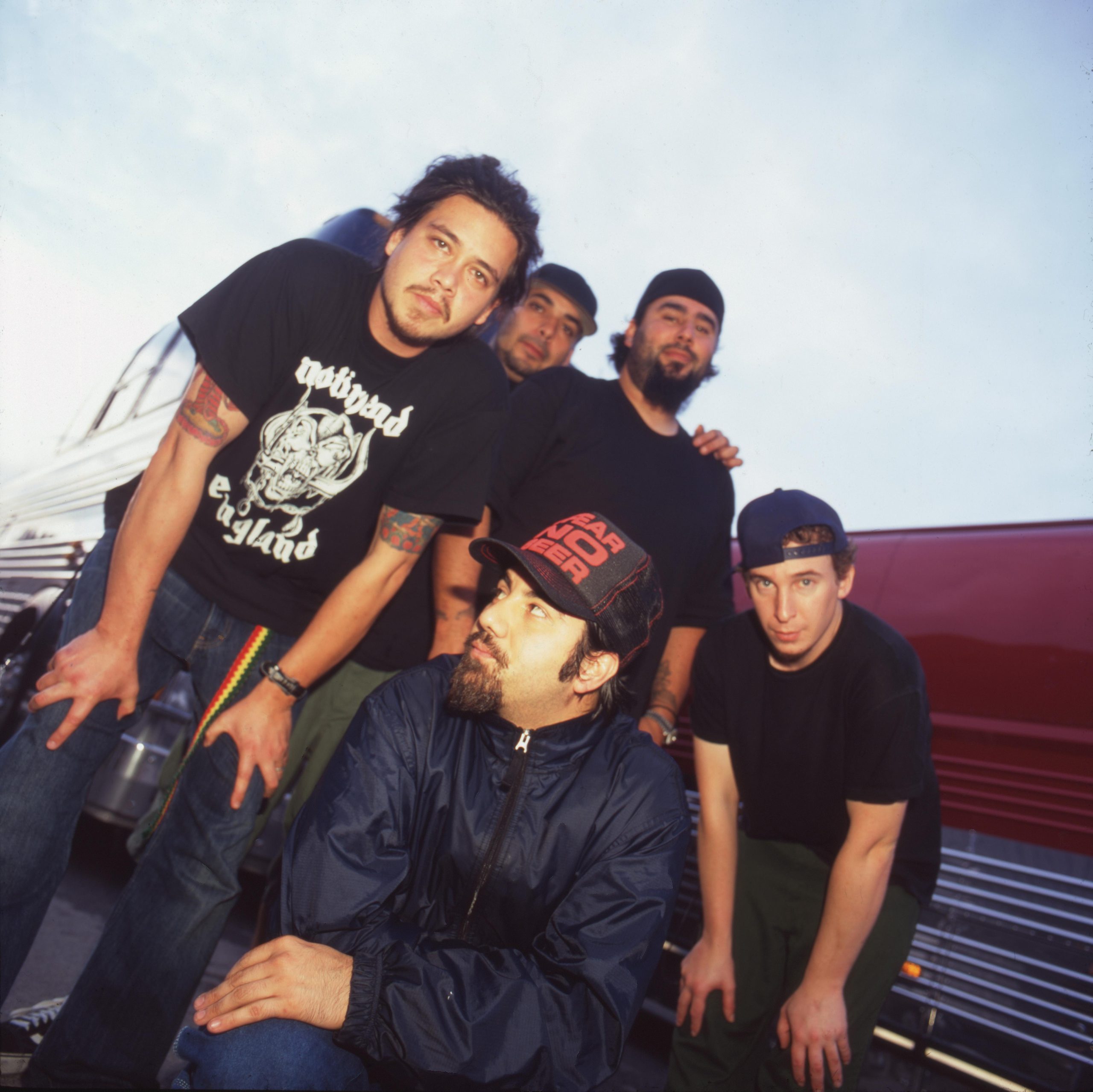
That breadth carries over to their one-day Día de los Deftones festival, which marked its sixth iteration this past November. The vibe reflects both the band’s Latin heritage and the wide-ranging tastes that have long informed their music. On curating the festival, Moreno told Revolver, “I equate it to making a mixtape, but with live groups, bringing different genres together.” This year’s lineup featured Clipse, 2hollis, Rico Nasty, Deafheaven, Régulo Caro, Ecca Vandal, Glare, University, and Deftones themselves, who, at their own festival, play extended sets that include deep cuts and rarities.
Their catalog is so hefty, they don’t need to write another song. They could tour based on their first handful of albums alone, reinvigorating audiences with reissues.
Private Music is the first Deftones album recorded with a sober Moreno. It also marks the first appearance of bassist Fred Sablan (from Marilyn Manson) and the band’s third collaboration with producer Nick Raskulinecz. That established working relationship shaped the sessions, according to drummer Abe Cunningham, who told Kerrang!: “…when you have that trust built and Nick suggests something you try it. It might be amazing.”
That sense of trust extends beyond the internal workings of Deftones to their cross-generational, global community. Their grind has been steady, rooted in bonds formed when the members were young kids in Northern California. At the time of their 1995 debut, Adrenaline—the first metal album released on Madonna’s Maverick label—the band were frequently slotted into the nu-metal category. But Moreno’s oft-cited love for Depeche Mode, the Cure, Sade, Cocteau Twins, the Smiths, and even Duran Duran and Culture Club helped shape an alt-metal sound that resisted easy classification and set Deftones apart from their peers.
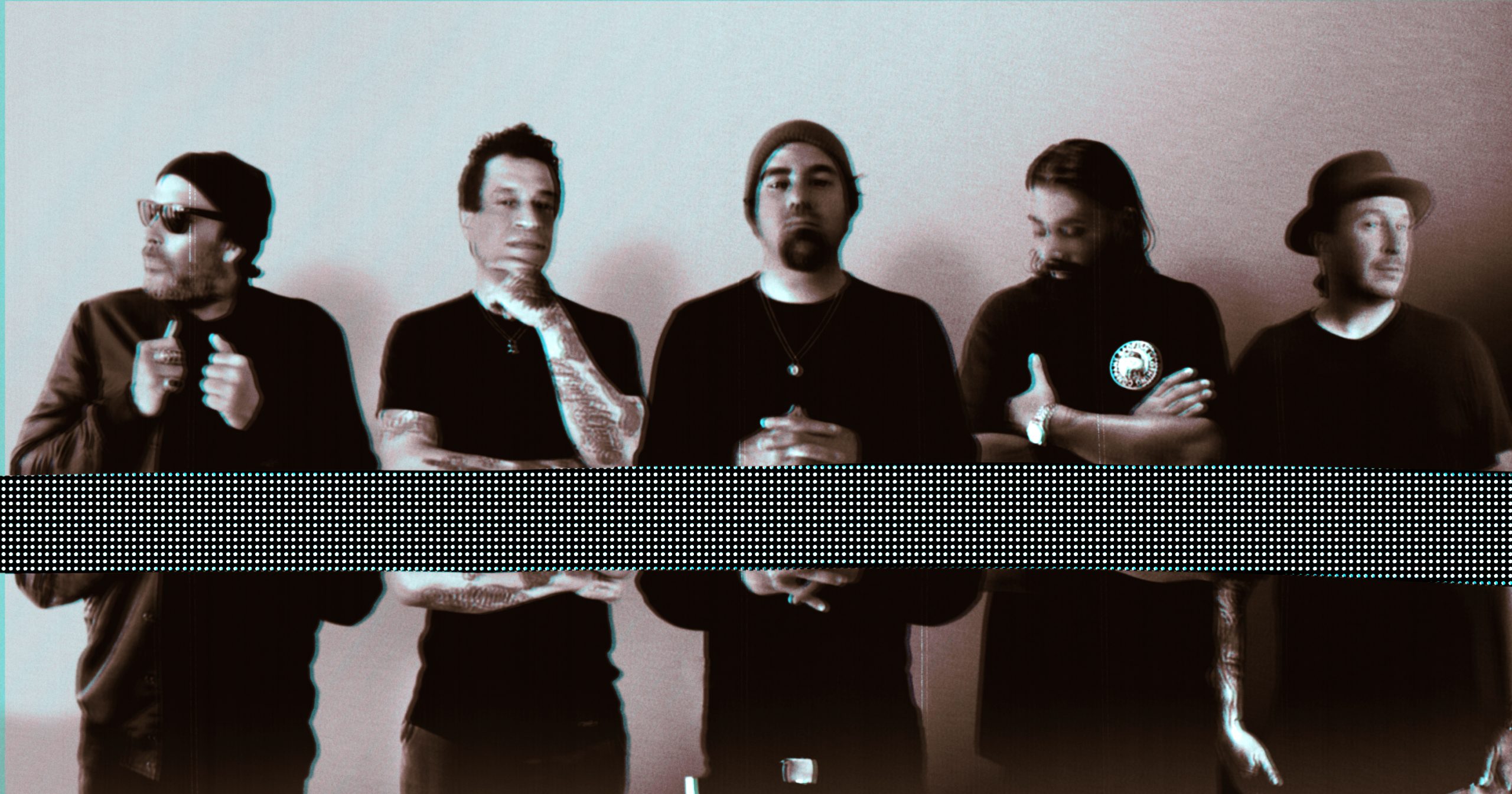
That eclecticism has widened their audience, creating points of entry for listeners who might not otherwise engage with heavier music. “We’ve always made a constant decision to not date ourselves with the music we make… we just wanted to have our own identity. So we would make certain creative decisions to try not to fall too deep into any category,” Moreno told The Guardian.
At the same time, it’s the throughlines in their sound that keep fans returning.
Jason, 50, a fan since the ’90s, says he first encountered Deftones while living in Sacramento, tipped off by locals and local radio. He calls Private Music “a nice blend of all the things Deftones do well over the years in one album.” His 11-year-old son, Rielan, identifies the album as “the albino snake.”
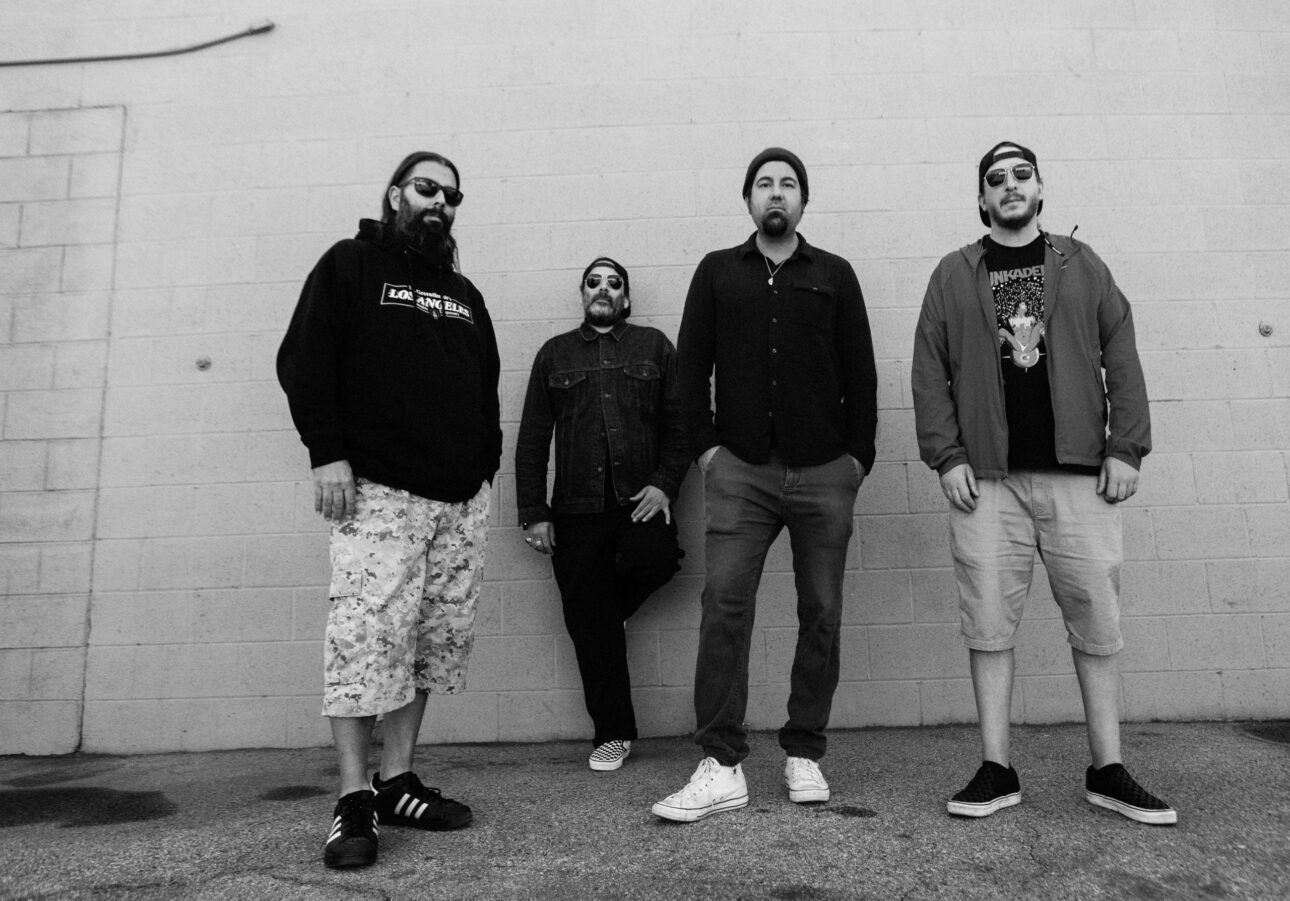
While Private Music is named for a folder of song ideas on Moreno’s computer, not many of those ideas made it to the final album. The Deftones magic happens when the members are together, according to Moreno.
Deftones’ music is an honest reflection of who they are and where they come from, which resonates across races, ethnicities, genders, sexual orientations, and generations. The band’s unwavering belief in their art sustains a deep, lasting connection with their audience.
Moreno said in the Revolver interview: “Just the music matters at this point. We sit around, we talk a lot, and bullshit a lot amongst the creative part of it, but it doesn’t feel like a job. We’re all very grateful that after so many years we actually have the opportunity to do it, and that people care.”
→ Continue reading at Spin

