
Deepali Vyas (aka The Elite Recruiter) knows a thing or two about how to land your dream role. An executive recruiter and career strategist in NYC and the global head of data and AI executive search at ZRG, Vyas has spent more than 25 years advising Fortune 500 companies, hedge funds, private equity firms, and tech companies on executive hiring and leadership strategy. So when it comes to what does and does not work in an interview, she knows of what she speaks. And one of the biggest stumbling blocks she sees people struggling with when it comes to prepping for an interview is fashion.
Get your resume in order, study up on the company and the role, practice answering questions with a friend, but if you fail to dress appropriately, all that prep work could be for nothing. Don’t let that happen! Tips below.
What are the biggest mistakes you see people making when dressing for a job interview?
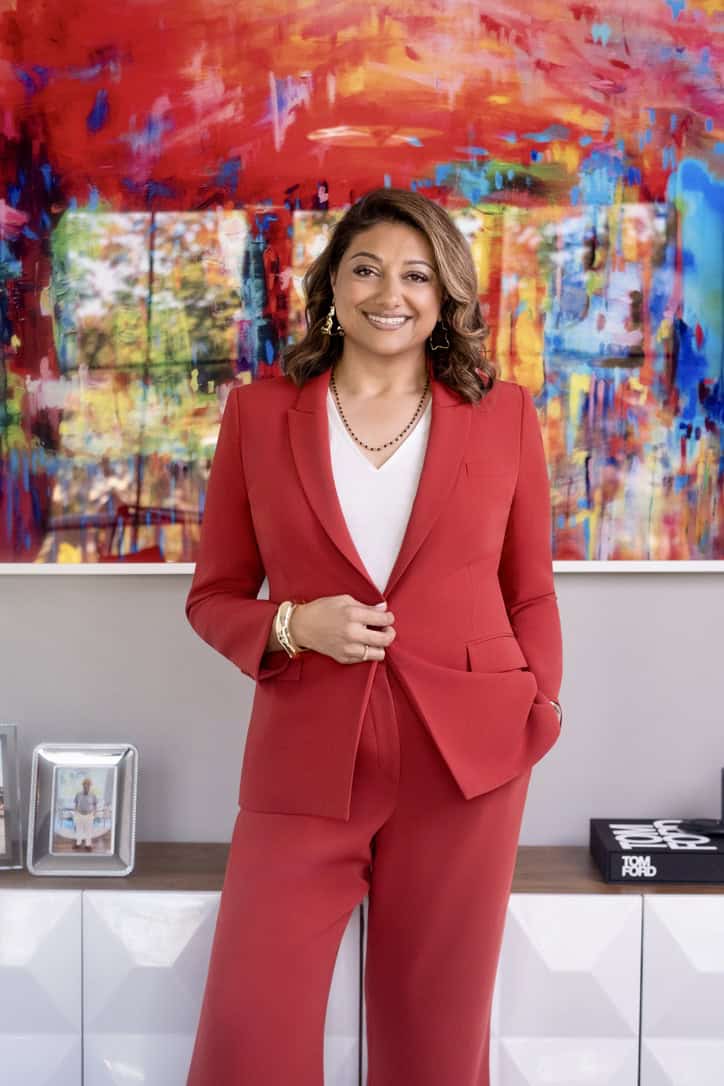
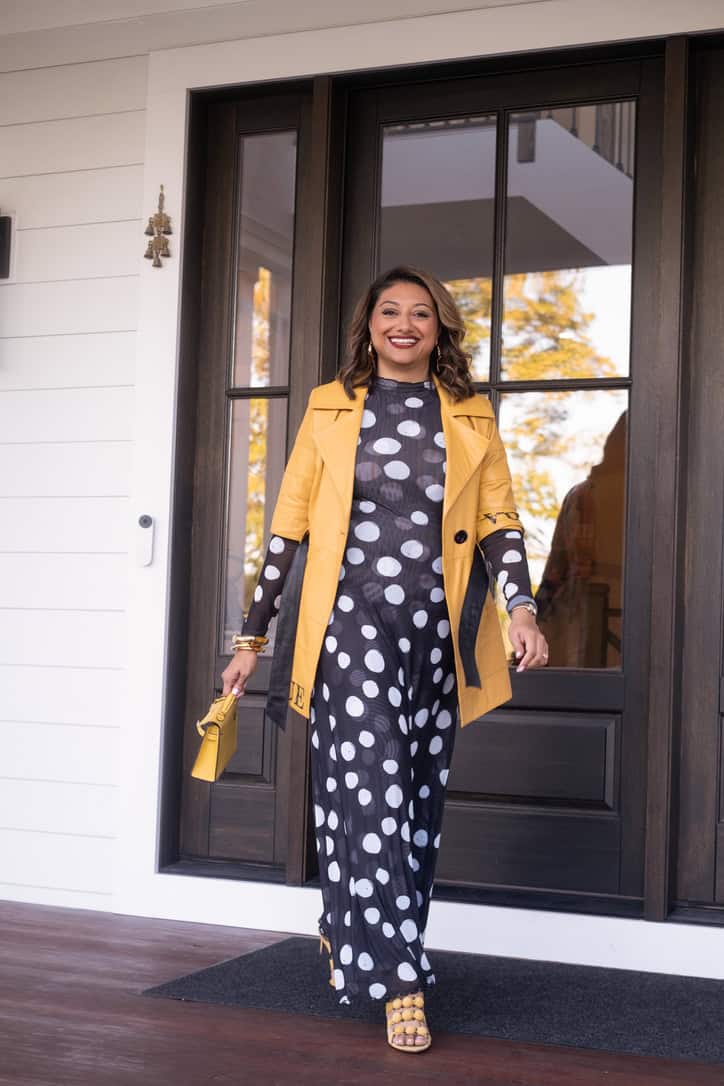
The biggest mistake is treating the interview like a fashion moment instead of a positioning moment — but that doesn’t mean fashion doesn’t matter. It absolutely does. I love fashion, and I am always intentional about what I wear for meetings, interviews, and conferences. At its best, fashion builds confidence and helps you strike the right tone for the room you are walking into. Where candidates go wrong is either overdoing it or under-thinking it. They lean too far into trends, or they don’t consider how their look aligns with the company and role. For interviews specifically, I always index on being more polished. You want to show that you understand the environment and can operate at that level. I also love jewelry, but I don’t recommend overdoing it. If you are a student of fashion, you can absolutely pair pieces in a way that feels intentional and memorable without being distracting. Fashion should elevate your presence, not compete with it.
What do you suggest they do instead?
Approach your outfit the same way you would approach your narrative—intentionally. Think about the company, the role, and the level you are stepping into. Then calibrate your look to be slightly more polished than the baseline. It is about confidence as much as it is about clothing. When you feel put together, it shows in how you carry yourself, how you speak, and how you show up in the conversation. I always recommend having a few tailored pieces that you can mix and match. It is not about having more clothes. It is about having the right pieces that make you feel sharp, comfortable, and credible. Confidence is felt, but it is often signaled visually first.
Is there a difference between dressing for an in-person interview vs a remote video interview?
Yes—and it goes beyond just what you wear. For video, both your outfit and your environment matter. Fashion is not just what you wear; it is also what is around you. Your background, lighting, and overall setting all contribute to the impression you make. You do not need to be more casual on video. If anything, maintaining a polished look translates very well on camera. I would approach it the same way as an in-person interview. Small details matter. For example, if you are sitting against a white wall, you probably want to avoid wearing white so you do not blend in. It is about creating contrast, making your mark, and being memorable in a subtle, intentional way. Presence is not limited to the room you are in. It extends to everything the interviewer can see.
What brands do you think are generally good resources for interview/work clothes? And how should one go shopping for them properly?
I am a huge fan of fashion, and I believe you can build a strong, polished look at multiple price points. For more accessible options, you can never go wrong with J.Crew, Banana Republic, and Zara. These are great for building a foundation, and I often recommend pairing high and low pieces to create a more elevated look. For more tailored suiting, I like Theory and Veronica Beard. They offer structured pieces that immediately sharpen your presence. The key is to shop with intention. Focus on pieces that can be mixed and matched, and prioritize fit above all else. When something is tailored well, it instantly looks more expensive and more polished. Ultimately, it is not about the volume of your wardrobe. It is about feeling comfortable, confident, and aligned with the level you are stepping into. The right outfit does not just change how you look. It changes how you show up.
→ Continue reading at The Daily Front Row

