
Montgomery Sisam Architects and Andrew Jones Design completed a renovation of the ground floor of the Gardiner Museum in Toronto. The project reorganized the institution’s entry sequence, collections gallery, and community programming spaces around three guiding principles: accessibility, connectivity, and indigeneity.
The Gardiner, one of the few museums in the world dedicated exclusively to ceramics, occupies a boxy limestone building that opened in 1983 and was expanded in 2006. Over time, its ground floor had grown fragmented, with a lobby, galleries, a maker space, a community learning center, and retail operating largely in isolation.
The renovation’s primary organizational move installed a continuous glazed ribbon wall that begins at the main entrance and runs the full length of the building into the Collections Gallery. The wall serves as both a wayfinding device and display vitrine, its curving path draws visitors through the space with an unhurried, almost tactile quality, contouring the building the way a hand might contour a vessel still warm from the kiln.
Between moments of display, the glass connects to views into adjacent program spaces: the maker space, upgraded with improved ventilation and accessibility; and the Community Learning Centre, reconfigured for school groups and camps.
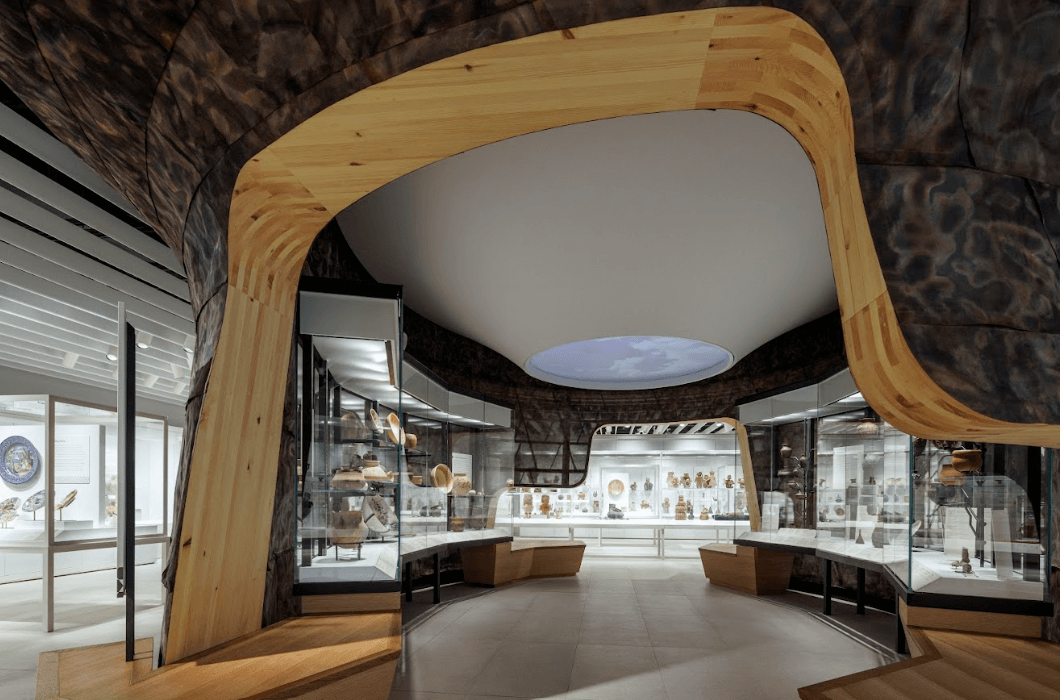
The Collections Gallery was opened into a single room, here, new vitrines delineate collections and organize circulation. Materials—white oak, natural stone, durable laminates—were considered for their warmth. The ceramics on view are well-lit and generously spaced. By any institutional measure, the renovation worked.
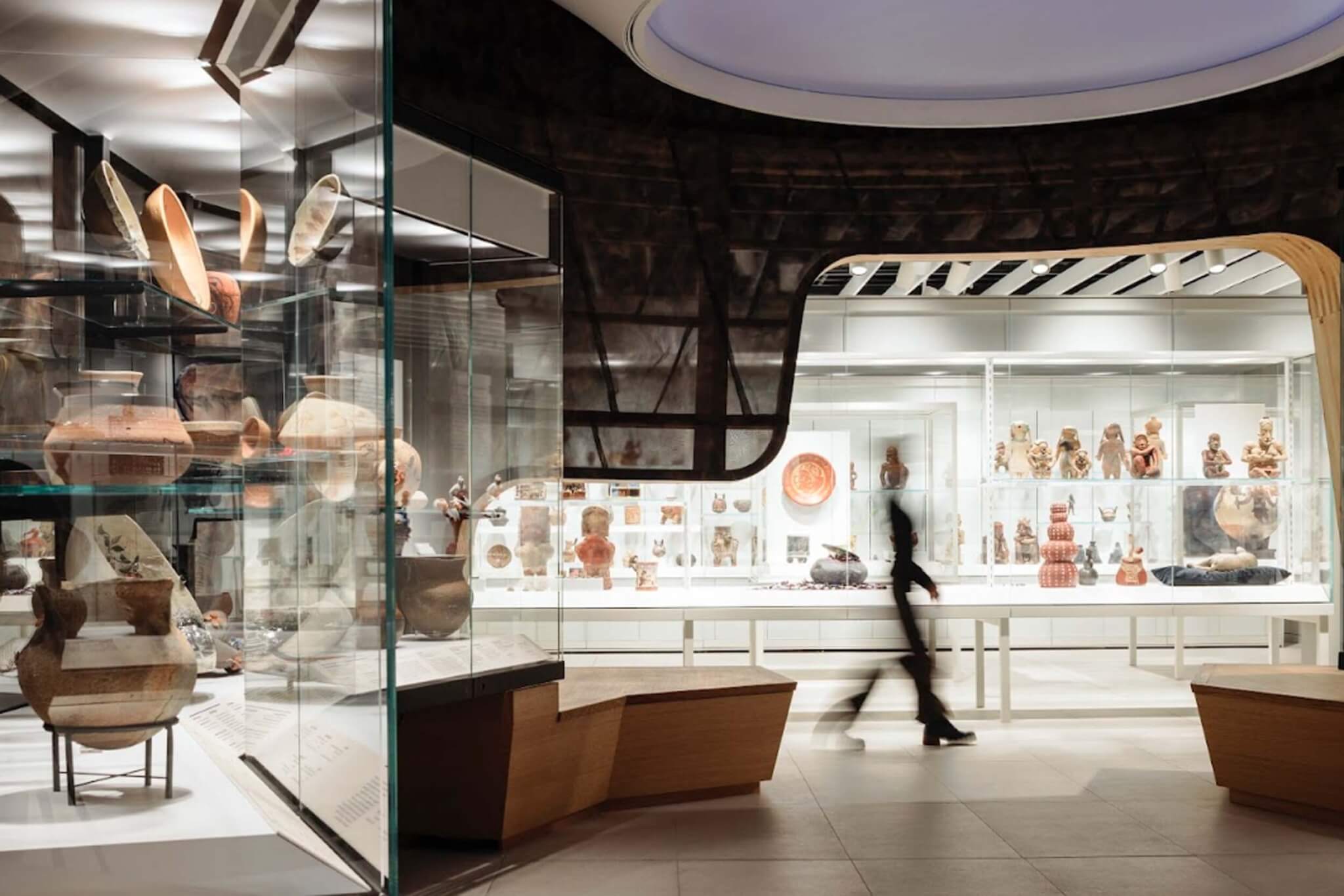
At the center of the gallery, a darkened wooden enclosure draws visitors to the Indigenous collection. In this exhibition space the architecture stops receding and begins to participate. Its timber—a mix of two tones—breaks from the pale oak elsewhere, and overhead light falls softly onto the work and the faces of those studying it.
It is the one space where visitors feel drawn in rather than guided through, where the architecture begins to echo the logic of the ceramics themselves: form, enclosure, the shaping of space around a body, holding you inside something rather than walking you past it.
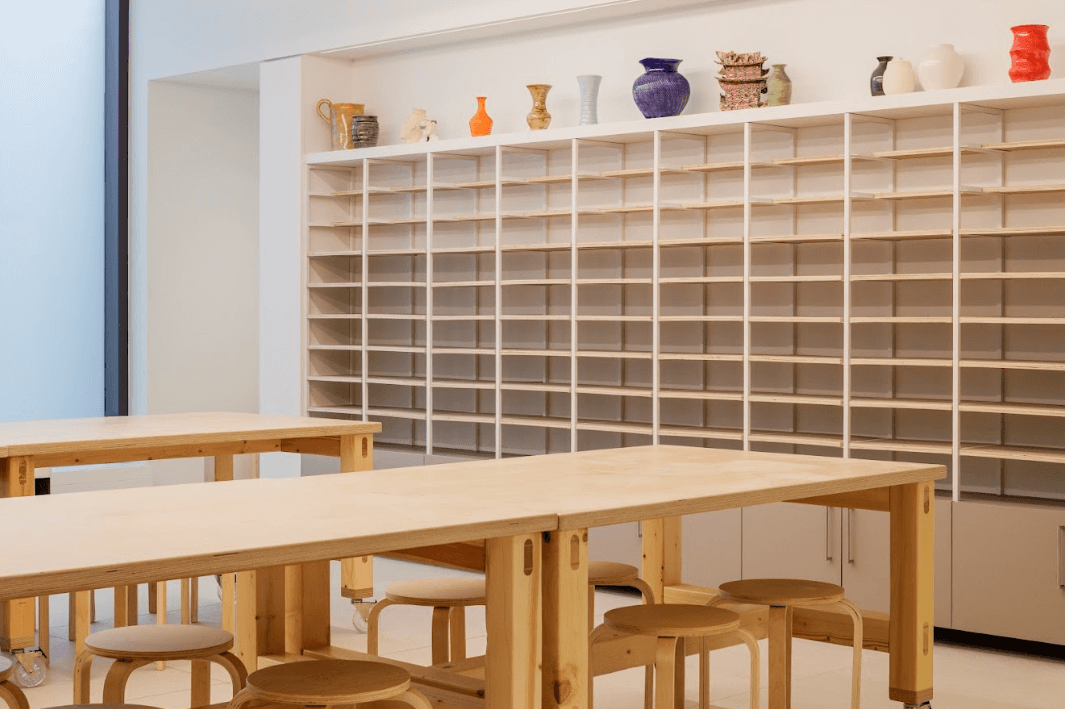
A new opening in the gallery’s east facade created an east-west corridor connecting the collections with the surrounding public realm, with flexible exhibition space at its western end. The renovation reflects the Gardiner’s broader effort to align its physical environment, cementing its commitment to access and Indigenous visibility.
→ Continue reading at The Architect's Newspaper

