
As a young, unknown filmmaker in 2007, Seth Gordon arrived at the Slamdance Film Festival in Park City, Utah, on the verge of a new calling. He went there to premiere his low-budget documentary The King of Kong, which chronicled a fierce rivalry between videogame competitors, and left days later as an acclaimed director.
“It’s what started my career,” says Gordon, who went on to direct multiple feature films and popular TV shows. “It was crazy. That was my River Styx introduction to the film business.”
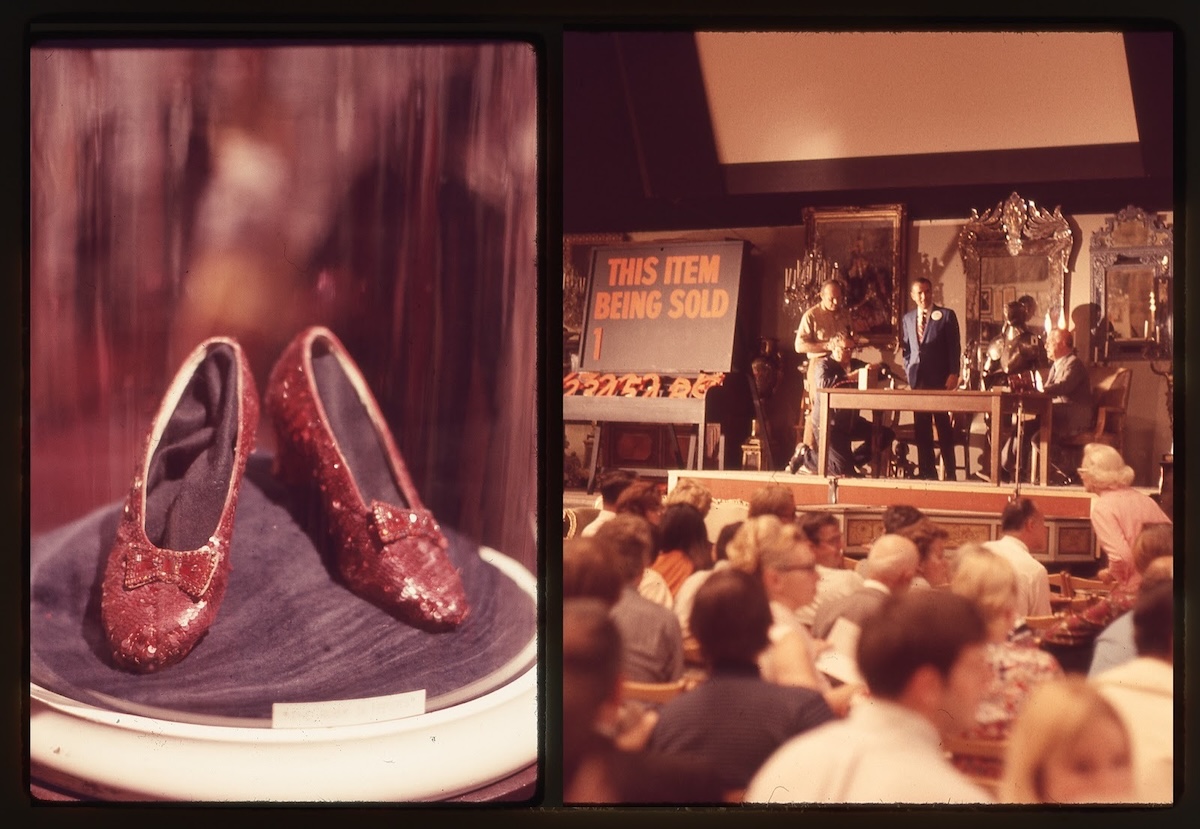
So when he completed another documentary as director, Under the Rainbow: The Curious Crimes of the Ruby Slippers, Gordon knew he had to come back to Slamdance for its premiere this week. Co-directed with Nikki Calabrese, the film is a true crime tale, but without the body count or blood-stained evidence, investigating the disappearance of a pair of ruby slippers worn by Judy Garland in 1939’s The Wizard of Oz.
It was another labor of love and inspiration that began shooting right around the time of The King of Kong, but had a much longer journey to completion. After a winding tale of real-life comedy, drama, and mystery, the ruby slippers were recovered almost two decades later.
Now in its second year in Los Angeles, Slamdance presented Under the Rainbow to a full house at the Directors Guild of America on February 21 as one of its “spotlight features.”
“It just seemed right from the start that we would come back to Slamdance if we could,” says Gordon. “It was a full-circle moment.”
The documentary was among several high-profile premieres at this year’s Slamdance, which showed 141 independent movies that spanned narrative films and documentaries, shorts and features, animated, experimental, and more. The festival moved to L.A. last year after three decades in snow-covered Park City.
Slamdance is “a celebration of independent film,” says Peter Baxter, president and co-founder of the festival. “We’re talking about self-financed films, usually. All of the films here are under a million dollars—most way under a million dollars. That’s pure independent film.”
Most of the screenings unfolded in the theaters of the DGA, two blocks away at the Landmark Theatres Sunset, and across town at 2220 Arts. The virtual edition of the festival can be seen online through March 6 on the Slamdance Channel (slamdancechannel.com).
(Credit: Courtesy Under The Rainbow/Paramount Television Studios)
The festival opened February 19 at the DGA on Sunset Boulevard with a screening of The Projectionist. The feature film was directed by Alexandre Rockwell, and produced by Quentin Tarantino and Jack Auen, and it follows a movie projectionist (Vondie Curtis-Hall) who is alarmed when his troubled past unexpectedly returns one night.
Another highlight was the documentary This Is Buzz, which recounts the short life of the ambitious MTV show “Buzz,” a weekly fast-paced montage of news and culture from around the world. The cutting-edge production, created by Mark Pellington and Jon Klein, collided startling sounds and images to the point of sensory overload and ultimately influenced U2’s Zoo TV Tour in 1992 and 1993.
U2 members The Edge and Adam Clayton appear in new interviews in This Is Buzz, among several other voices, surrounded by a montage of clips from the kaleidoscopic news program. The new documentary was directed by Pellington, who began his career at the network creating short promo films and went on to direct movies, television, and many years of music videos.
For “Buzz,” a pilot was made in 1989 with the mission of creating a “global show.” By the time “Buzz” went into production the following year, the producers had developed young correspondents around the world, from New York and Los Angeles to Paris, Tokyo, and Cairo. Beat Generation author William Burroughs was the narrator, and the show utilized even faster editing than was seen in the music videos crowding the rest of the MTV schedule.
“They thought they were going to get George Michael talking about stuff,” says Pellington. “But we interviewed people around the world and asked them what they thought about cultural stereotypes, happiness, and censorship—heady topics—and we chopped it all together.
“This film tells the story of a show that was forgotten but represented something about where MTV could have gone—politics, social, humanism. MTV was very proactive in the ’80s, but they took a turn. They were making a lot of money.”
At the screening at 2220 Arts, Pellington also created an installation in the lobby with computer screens and projectors flashing images and text from the show. In binders, he had clippings from the mostly positive media coverage from the likes of Rolling Stone, Time, and SPIN. There was another binder filled just with fan letters from 1990.
Pellington wanted to bring This Is Buzz to Slamdance because he felt a shared sensibility with the festival, he says. “Their renegade, alternative, punk rock spirit speaks to what ‘Buzz’ was about,” the director adds. “It’s do-it-yourself, guns blazing. It’s more of a Slamdance movie than a Sundance movie.”
For the doc’s editor Mairi Utno, 33, “Buzz” came and went before she was born, but she discovered a connection within the hours of footage on issues of the time that she weaved together. “It really resonated with me a lot, even though I am younger,” Utno says. “‘Buzz’ talks about uncomfortable things, and that’s why it works.”
The Slamdance indie film festival was birthed in the shadow of the larger Sundance after a group of young grassroots filmmakers felt shut out of the world-famous event founded by Robert Redford in Utah. Among the major filmmakers who have passed through Slamdance are Christopher Nolan and the Russo Brothers.
“Slamdance got its start in 1995 by not asking permission,” says Ted Hope, a hugely successful indie film producer (American Splendor, The Ice Storm). “The people that didn’t get into the festival of their choice, Sundance, said ‘We’re still going to Park City.’ That spirit is still carrying it forward today.”
After the opening weekend, Hope led a day-long seminar-dialogue-workshop for independent filmmakers that he described as “a day of dangerous ideas.” It was a spirited forum for ideas and debate about working at a difficult time financially for indie filmmakers. It had a bit of the punk rock energy indicated in the Slamdance name.
“When I entered the film business in the late-’80s and early-’90s, I was really inspired by the motto of the band the Minutemen: ‘We Jam Econo,’” Hope says. “I grew up in a working-class environment. I just wanted to earn a living doing what I love. That was my ambition.”
As Park City grew increasingly expensive for struggling low-budget filmmakers, Slamdance’s move to L.A. was almost inevitable. Before relocating, young directors were frequently spending more to attend the festival in Park City than it took to produce their films.
“It’s very important for us to become part of the fabric of the city while still maintaining our indie credibility of discovering new generations of filmmakers,” says Paul Rachman, a Slamdance co-founder and board member, and director of the 2006 punk rock documentary American Hardcore. “Indie film is hard. Indie film means sleeping on the floor sometimes.”
Among the many notable films this year included the queer love story Whisperings of The Moon, winner of the festival’s narrative feature Grand Jury Prize, directed by Yuqing Lai, 23, who was killed December 30 in Phnom Penh, Cambodia. The documentary feature Grand Jury Prize went to Silver, directed by Natalia Koniarz, which took cameras deep into the silver mines of Potosí, Bolivia.
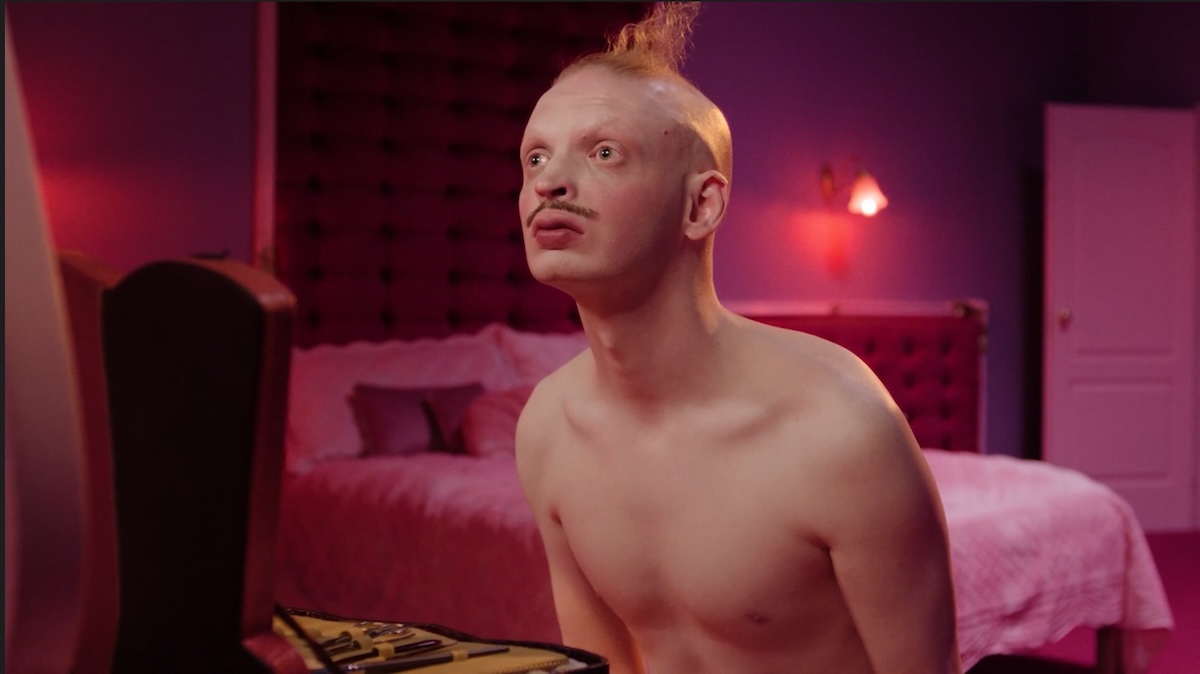
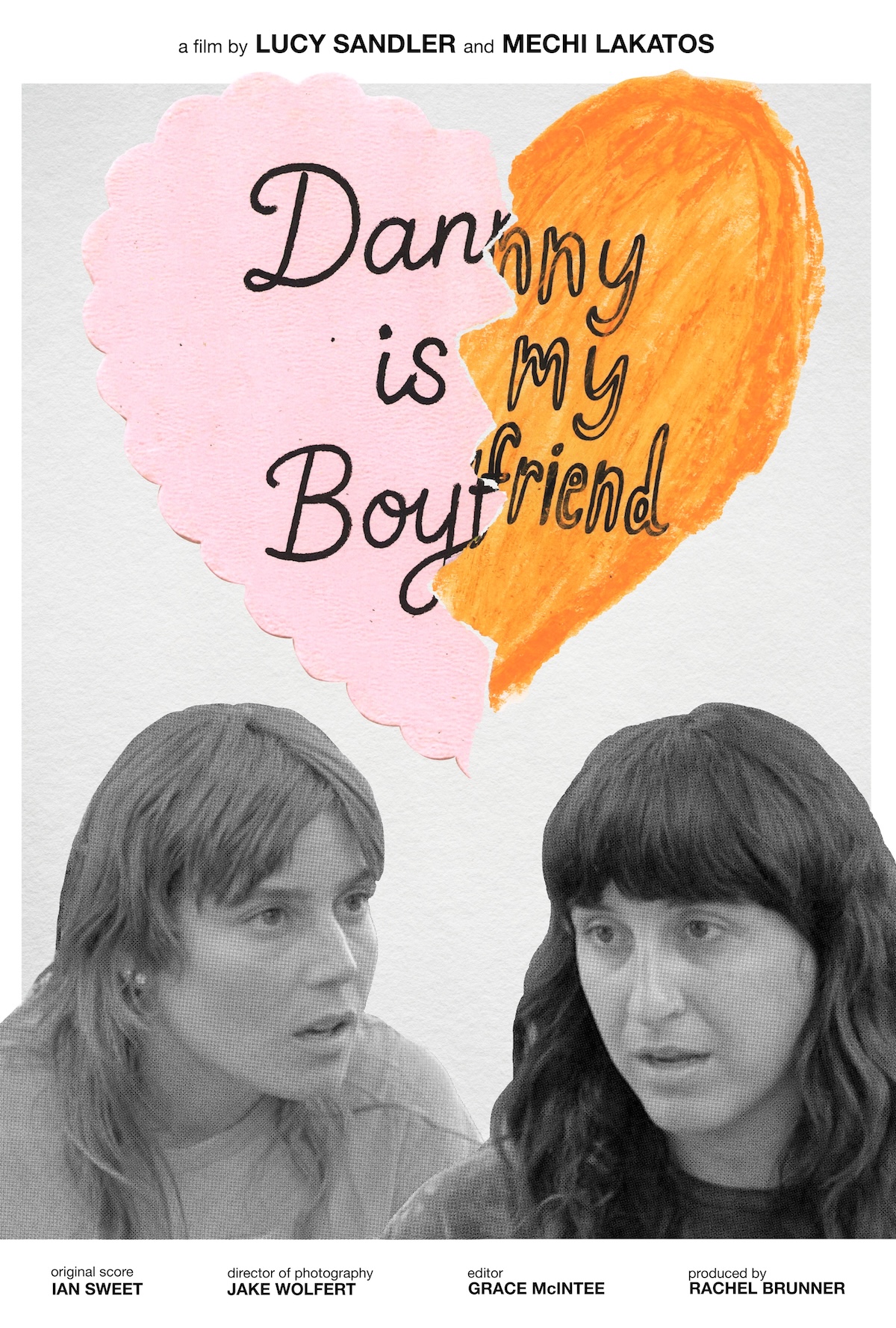
There was also the lo-fi comedy Danny Is My Boyfriend, an L.A. story about three women who discover they all have the same paramour. The feature Dump of Untitled Pieces follows a struggling artist and photographer in Istanbul.
“This is very representative of a new wave of Turkish and Middle Eastern film that is very contemporary, very cool,” Rachman enthuses about Dump. “It’s like the Turkish version of what came out of New York in the ’80s, but is coming out of Istanbul now.”
After so many years in the mountains of Utah, Slamdance has settled comfortably into its new L.A. home. Festival passes quickly sold out and most individual screenings were well attended, while still showing the same kind of independent voices that have always defined it.
“We’re selling out screenings but we have not sold out our soul,” says Baxter. “We’ve stuck to our guns.”
→ Continue reading at Spin

